Бану Кухня
Banu Cuisine

#БАНУ КУХНЯ
Кухня бану относится к распространенным методам, с помощью которых бану готовят еду к употреблению. Из-за нехватки записей об истории бану из-за их культурной практики не документировать события прошлого, мало что известно о происхождении их методов приготовления пищи. Кроме того, их обширная торговая сеть, любовь к экспериментам, чувствительный вкус и способность переваривать практически все побудили бану со временем интегрировать в свою кухню ингредиенты и методы приготовления из других культур. Тем не менее, есть отличительные черты, типичные для кулинарии бану. Наиболее важными являются сочетание множества вкусов и текстур в блюде, важность использования всего каждого ингредиента в еде и табу на пищевые отходы.
# ТАМОЖНЯ
Обычно бану едят один большой обед вместе с другими членами их Соули, а затем перекусывают в течение дня. Ожидается, что трапеза будет демонстрацией изобилия: еды будет больше, чем можно съесть за один присест. Каждый бану руками берет еду с витрины и раскладывает ее по тарелкам, чтобы можно было легко смешивать составные части еды по своему вкусу. Затем еду едят сидя, частично откинувшись.
В конце еды оставшаяся еда остается, и бану будут возвращаться к ней во время своей рабочей смены, чтобы перекусить и сохранить энергию. Любая еда, оставшаяся в конце дня, затем добавляется в *onjussuæ*, или тушеное мясо «все вкусы», блюдо, которое подают почти при каждом большом приеме пищи и обычно едят в качестве закуски. Для соули нет ничего необычного в том, чтобы держать кипящую кастрюлю с *онджуссу*, которую редко опорожняют полностью и пополняют жидкостью и ингредиентами по мере необходимости. При правильном уходе *оньюссу* можно готовить десятилетиями.
Сервировочная посуда встречается нечасто; еду, которую невозможно взять, черпают личными тарелками или чашками, которые отдельные бану должны принести к столу. К этим тарелкам часто прикрепляются ручки, они широкие, круглые и слегка вогнутые, чтобы вкусы могли смешиваться внизу. Бану гордятся тем, что используют красиво украшенные тарелки и чашки.
# ДЕВЯТЬ ВКУСОВ
Бану обладают очень чувствительным вкусом и могут различать широкий спектр вкусов. Наполняя тарелки во время семейного обеда, они ищут баланс того, что они называют *бики ндзотаю*, или Девять вкусов: соленый, пикантный, сладкий, острый (кислый/пряный), горький, горячий, холодный, мягкий и хрустящий. Чем больше вкусов включено в один укус блюда, тем оно лучше. Одним из примеров этого является *офаса*, популярное жареное угощение, являющееся основным продуктом продуктовых рынков Бану. Снаружи горячее и хрустящее, внутри мягкое и прохладное, мясо *ибифисса* сладкое и соленое, а *ангафеде* горькое и острое. Сочетание всех девяти вкусов в одном укусе считается эффективным и высоко ценится.
# ТАБУ НА ПИЩЕВЫЕ ОТХОДЫ
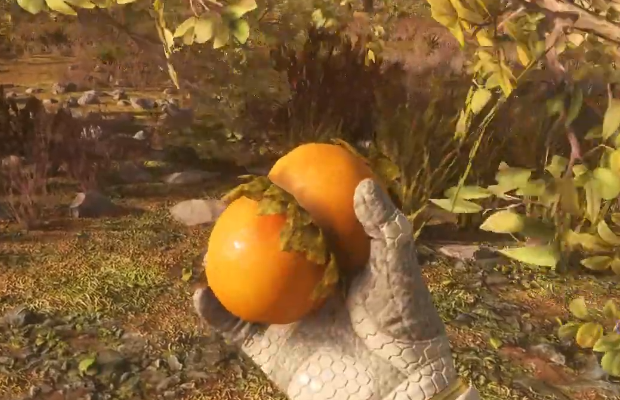
Бану не имеют понятия о пищевых отходах. В то время как Люди очищают апельсин перед тем, как его съесть, Бану съедает его целиком, наслаждаясь горькой кожурой как часть опыта. Сиань выбросит твердую оболочку *klom.e'a*, но посетитель бану оставит ее, наслаждаясь ощущением хрустящего хитина, распадающегося на части о мягкую, сладкую мякоть. Не использовать все ингредиенты целиком считается крайне неэффективным и расточительным. Если какая-то часть ингредиента не подходит для конкретного блюда, ее сохраняют на потом и используют в другом месте.
# ЕДА И ЕДА СУЛИ
В культуре преобладает мнение, что вещи, сделанные опытными мастерами, превосходят все, что может сделать любитель, включая еду. Помимо ухода за горшком *onjussuæ*, Сули предпочитают приобретать готовые или легко разогреваемые блюда и закуски в компании Food Soulis, которая специализируется на приготовлении нескольких блюд, предназначенных для достижения максимальной вкусовой эффективности и минимального количества отходов. Эти блюда либо доставляются, либо забираются на крупных рынках.
Известно, что некоторые Сули заключают договор Бану из недавно распущенной Food Soulis, чтобы всех накормить. Более крупные Soulis обычно заключают партнерские отношения с Food Soulis, чтобы кормить всех своих членов, тогда как маленькие Soulis заставляют своих членов поочередно закупать еду и вносить свой вклад в кладовую. Со стороны Бану считается жестом заботы взять угощение для своих коллег-соули и положить его в кладовую. Ожидается, что Essosouli время от времени будут предоставлять своим членам особенно вкусную еду, особенно если она доставлена из отдаленных мест.
Ужин вне дома